

Well, if you're in the market for a micron filter screen, one of the most pressing questions on your mind is probably "What micron rating should I choose?" As a supplier of micron filter screens, I've seen firsthand how crucial it is to pick the right micron rating for your specific needs. So, let's dive into this topic and break it down in a way that's easy to understand.
Understanding Micron Ratings
First things first, what exactly is a micron rating? A micron is a unit of measurement equal to one-millionth of a meter. In the context of filter screens, the micron rating indicates the size of the particles the filter can trap. For example, a 10-micron filter can capture particles that are 10 microns or larger in size.

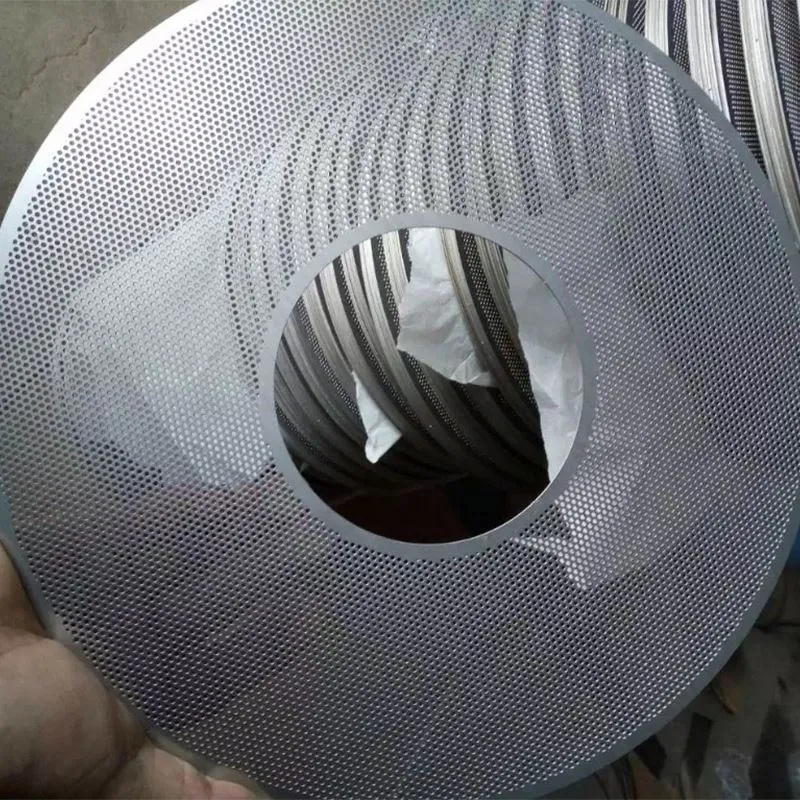
The lower the micron rating, the smaller the particles the filter can catch. This means that a 1-micron filter is more precise and will trap tinier debris compared to a 100-micron filter. However, it's important to note that a lower micron rating also means the filter will clog up faster because it's capturing more and smaller particles.
Factors to Consider When Choosing a Micron Rating
Type of Application
The application you're using the filter screen for is a major factor in determining the right micron rating.
Kitchen Applications: If you're looking for a Kitchen Mesh Filter, you'll want to consider the type of substances you'll be filtering. For general kitchen use, like straining pasta or separating solids from liquids in a soup, a filter with a relatively high micron rating, say 100 - 500 microns, should do the trick. This is because you're mainly dealing with larger food particles, and a higher micron rating allows for faster flow of liquids through the filter without getting clogged too quickly.
Water Filtration: When it comes to Water Filter Mesh Screen, the requirements are different. For basic water filtration to remove sediment and larger particles, a 20 - 50 micron filter might be sufficient. But if you're aiming for more advanced filtration, like removing bacteria or very fine contaminants, you'll need a much lower micron rating, perhaps in the range of 0.1 - 1 micron. Keep in mind that for extremely low micron ratings, you might need additional pre - filters to prevent rapid clogging.
Fuel Filtration: In the case of Brass Fuel Filter Mesh, the micron rating needs to be carefully chosen to ensure proper engine performance. For gasoline engines, a 10 - 40 micron filter is commonly used as it can effectively remove dirt and debris that could damage the engine's fuel injection system. Diesel engines often require a slightly lower micron rating, around 2 - 10 microns, due to the finer nature of diesel fuel and the more sensitive components in diesel engines.
Flow Rate Requirements
Another important aspect is the flow rate. If you need a high flow rate, a higher micron rating is usually better. A filter with a lower micron rating will restrict the flow of the liquid or gas passing through it because it has smaller pores. For example, in an industrial process where a large volume of water needs to be filtered quickly, a 100 - 200 micron filter might be a better choice than a 1 - micron filter, even if the 1 - micron filter can capture smaller particles.
However, if your application can tolerate a lower flow rate and requires a high level of filtration, then a lower micron rating is appropriate. For instance, in a laboratory setting where you're filtering a small amount of a solution to obtain very pure results, a 0.2 - 1 micron filter might be ideal.
Particle Size Distribution
You also need to consider the size distribution of the particles you're trying to filter. If the particles are mostly large, with only a few small ones, a higher micron rating filter might be enough to capture the majority of the contaminants. But if there's a wide range of particle sizes, including a significant amount of small particles, you might need a multi - stage filtration system with different micron ratings.
Common Micron Ratings and Their Uses
- 1 - 5 microns: Filters with this rating are great for applications that require high - precision filtration. They can remove fine particles such as bacteria, some viruses, and very small dust particles. In addition to water purification, they're also used in the pharmaceutical and electronics industries where a high level of purity is essential.
- 10 - 20 microns: These filters are commonly used in water filtration systems for residential and commercial buildings to remove sediment, rust, and larger particles. They're also suitable for some oil and fuel filtration applications where moderate - sized debris needs to be removed.
- 50 - 100 microns: Filters in this range are often used in general industrial applications, like filtering coolant in machining operations or removing large debris from wastewater. They're also useful in some agricultural applications, such as filtering irrigation water.
- 200 - 500 microns: These higher - micron - rated filters are typically used for coarse filtration. They can quickly filter out large particles like sand, gravel, and large pieces of debris. They're commonly used in pre - filtration systems to protect finer filters downstream.
Making the Right Choice
Choosing the right micron rating for your micron filter screen isn't always straightforward. It requires a careful assessment of your specific application, flow rate requirements, and the nature of the particles you're filtering. If you're still unsure, don't hesitate to reach out to us. We have a team of experts who can help you analyze your needs and recommend the most suitable micron rating for your situation.
As a supplier, we offer a wide range of micron filter screens with different ratings and materials to meet your diverse needs. Whether you need a Kitchen Mesh Filter, a Water Filter Mesh Screen, or a Brass Fuel Filter Mesh, we've got you covered.
If you're interested in purchasing our micron filter screens or want to discuss your requirements further, we're here to assist you. Just let us know your needs, and we can work together to find the perfect solution for your filtration needs.
References
- "Filtration Handbook" by Peter A. Schweitzer
- "Water Treatment Handbook" by Degremont
- Industry standards and guidelines related to filtration in different sectors such as food, water, and automotive.


