

Hey there! As a supplier of Speaker Mesh Metal, I often get asked about one key question: What is the thickness of Speaker Mesh Metal? Well, let's dive right into it and find out all about it.
First off, let's understand what Speaker Mesh Metal is. Speaker Mesh Metal, as you can learn more about on Speaker Mesh Metal, is a crucial component in speaker systems. It serves multiple purposes. One of the main functions is to protect the speaker drivers from physical damage. Whether it's a curious finger poking around or dust and debris that could potentially harm the delicate speaker components, the mesh acts as a shield.
Now, onto the thickness. The thickness of Speaker Mesh Metal can vary widely depending on several factors. There's no one - size - fits - all answer. Different applications call for different thicknesses.
For smaller speakers, like those you might find in earbuds or small portable Bluetooth speakers, a thinner mesh is usually sufficient. Thicknesses in the range of 0.1mm to 0.3mm are quite common. These thin meshes are lightweight and don't add much bulk to the speaker design. They're also flexible enough to conform to the small and often curved shapes of these types of speakers. Plus, they allow for good sound transmission without significantly dampening the audio quality.

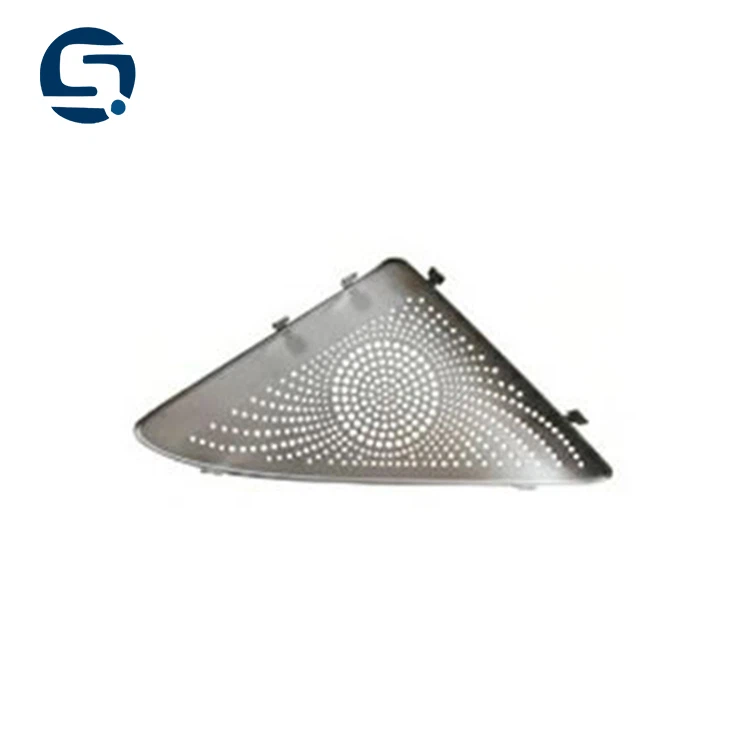
On the other hand, larger speakers, such as those used in home theater systems or professional audio setups, often require a thicker mesh. Thicknesses can range from 0.5mm to 2mm or even more in some heavy - duty applications. The reason for this is durability. Larger speakers are more likely to be exposed to more wear and tear, and a thicker mesh can better withstand impacts and rough handling. It also provides better protection against larger objects that might accidentally come into contact with the speaker.
Another factor that influences the thickness is the material of the mesh. Stainless steel is a popular choice for Speaker Mesh Metal because of its corrosion resistance and strength. When using stainless steel, the thickness can be adjusted based on the specific requirements of the speaker. For example, a 304 stainless steel mesh might be used with a thickness of 0.8mm for a mid - sized bookshelf speaker. This thickness offers a good balance between protection and sound quality.
Aluminum is another material option. Aluminum meshes are generally lighter than stainless steel, and they can be used in applications where weight is a concern. For a 6 X 9 speaker, which you can check out on 6 X 9 Speaker Grill Covers, an aluminum mesh with a thickness of around 0.4mm could be a great choice. It provides decent protection while keeping the overall weight of the speaker down.
The design of the speaker also plays a role in determining the mesh thickness. If the speaker has a unique shape or a specific aesthetic requirement, the thickness of the mesh might need to be adjusted accordingly. For example, a speaker with a very sleek and modern design might require a thinner mesh to maintain its clean look. In contrast, a speaker with a more industrial or rugged design could handle a thicker mesh that adds to its tough appearance.
Sound quality is a major consideration when it comes to choosing the right mesh thickness. A mesh that's too thick can block or distort the sound waves, leading to a loss of audio fidelity. On the other hand, a mesh that's too thin might not provide adequate protection. The goal is to find that sweet spot where the mesh protects the speaker without sacrificing too much in terms of sound quality.
We also need to talk about the manufacturing process. The way the Speaker Mesh Metal is made can affect its performance and the ideal thickness. For example, woven meshes are made by interlacing wires, and the thickness of these wires can vary. A tightly woven mesh with thinner wires might offer good protection and sound transmission. Stamped meshes, on the other hand, are created by stamping holes in a sheet of metal. The thickness of the stamped mesh can be carefully controlled during the manufacturing process to meet specific requirements.
When it comes to 7 - inch speakers, like those on 7 Speaker Grill, a common thickness for the Speaker Mesh Metal could be around 0.6mm. This thickness provides a good balance of protection and sound quality for this size of speaker.
As a supplier, I've seen firsthand how important it is to choose the right thickness of Speaker Mesh Metal. We work closely with our customers to understand their specific needs. Whether they're building a high - end audio system or a more budget - friendly speaker, we can help them select the perfect mesh thickness.
If you're in the market for Speaker Mesh Metal, don't hesitate to reach out. We have a wide range of options in terms of thickness, material, and design. Our team of experts can guide you through the selection process to ensure you get the best product for your speaker. Whether you're a small - scale DIY enthusiast or a large - scale speaker manufacturer, we're here to serve you. Contact us to start a conversation about your Speaker Mesh Metal needs, and let's work together to create the perfect speaker system.
References
- Industry knowledge and experience as a Speaker Mesh Metal supplier.
- General understanding of speaker design and audio engineering principles.


